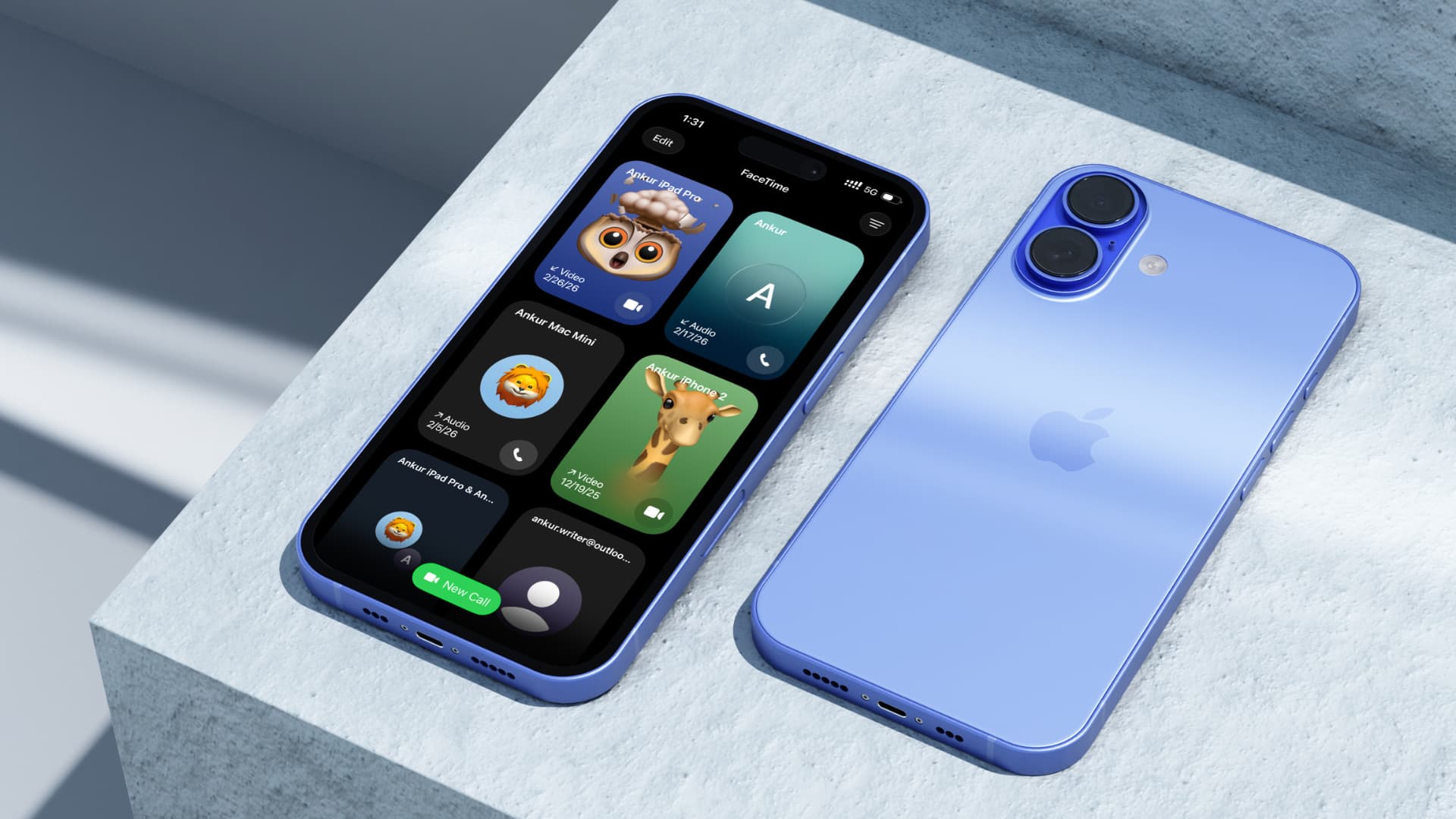
In this short guide, we show you how to make FaceTime calls and send iMessages on iPhone, iPad, and Mac devices that share the same Apple Account.
You are probably using a single Apple Account (formerly known as Apple ID) across all your devices. And likely, they all share the same phone number and Apple Account email address for making FaceTime calls and receiving iMessage texts.
However, if you want to make a FaceTime call or send an iMessage to your own Apple device, such as an iPad or iMac at home, you may notice that your calls do not go through because the caller and receiver are the same. Similarly, sent texts may appear to be one-sided. Here’s how to solve this and make calls and send messages to your own Apple device logged into your Apple Account.
The overall process is quite simple:
- You will add another email address or email alias to your Apple Account.
- Then, you will register that email address or alias for FaceTime and iMessage on different devices.
Here’s everything in 5 easy steps.
Step 1: Get another email account or email alias
If you have a second email address (iCloud, Gmail, Outlook, Yahoo, or something else), you can use that.
If you don’t want to create and manage a new email account, I recommend creating iCloud aliases or Gmail aliases. All emails sent to the alias email address will be automatically forwarded to your main email account.
I created 3 iCloud aliases (the maximum allowed) in my Apple Account and I use them for FaceTime and iMessage on my iPad, Mac mini, and second MacBook. My iCloud aliases are:
- MySurnameX.iPad@icloud.com
- MySurnameX.Macmini@icloud.com
- MySurnameX.MacBookPro@icloud.com
Of course, you are free to add any aliases you see fit.
Step 2: Add that email or alias to your Apple Account
After editing your second email address or email alias, add it to your Apple Account. This change will reflect across all your Apple devices as it is done at the account level.
- Open the Settings app on your iPhone or iPad, or System Preferences on your Mac. We are using an iPhone to demonstrate these steps.
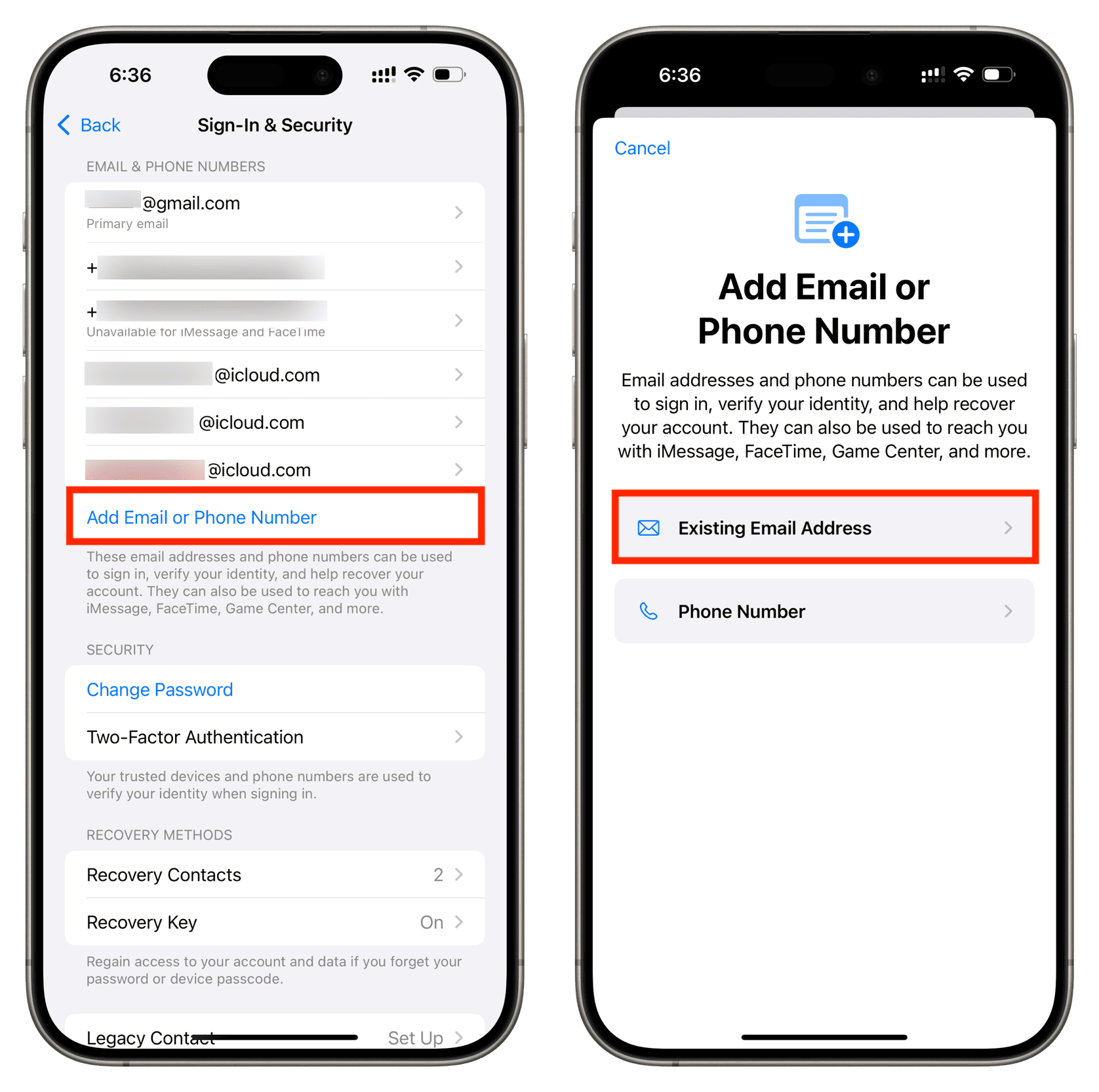
- Tap on your Apple Account name, then tap Sign-In & Security > Add Email or Phone Number.
- Now, tap on Use Existing Email Address, type in your second email address or alias, enter the code to verify, and add it.
- If you have multiple Apple devices and want different FaceTime and Messages email accounts on all of them, repeat these steps to add more email accounts or aliases.
Step 3: Register the new email address or alias for FaceTime and iMessage
You can now use the newly added email address or alias on one or more Apple devices.
iPhone or iPad
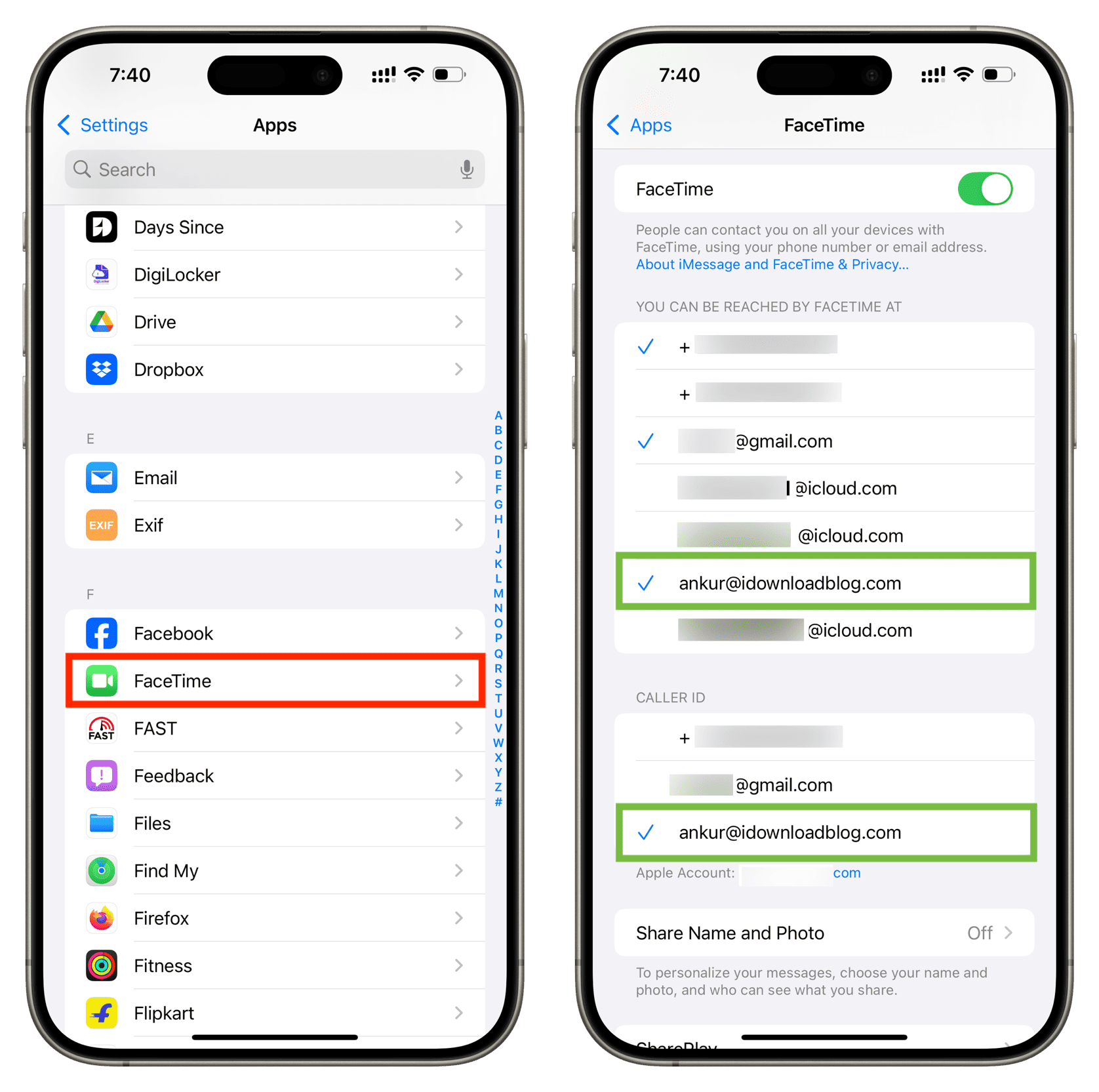
- Open the Settings app, tap Apps from the bottom, and select FaceTime.
- Under the heading “Reachable at”, tap the new email address. If you wish, you can also check other phone numbers and emails. You can also set the new email address as Caller ID (i.e., this email will be used for FaceTime calls to new people).
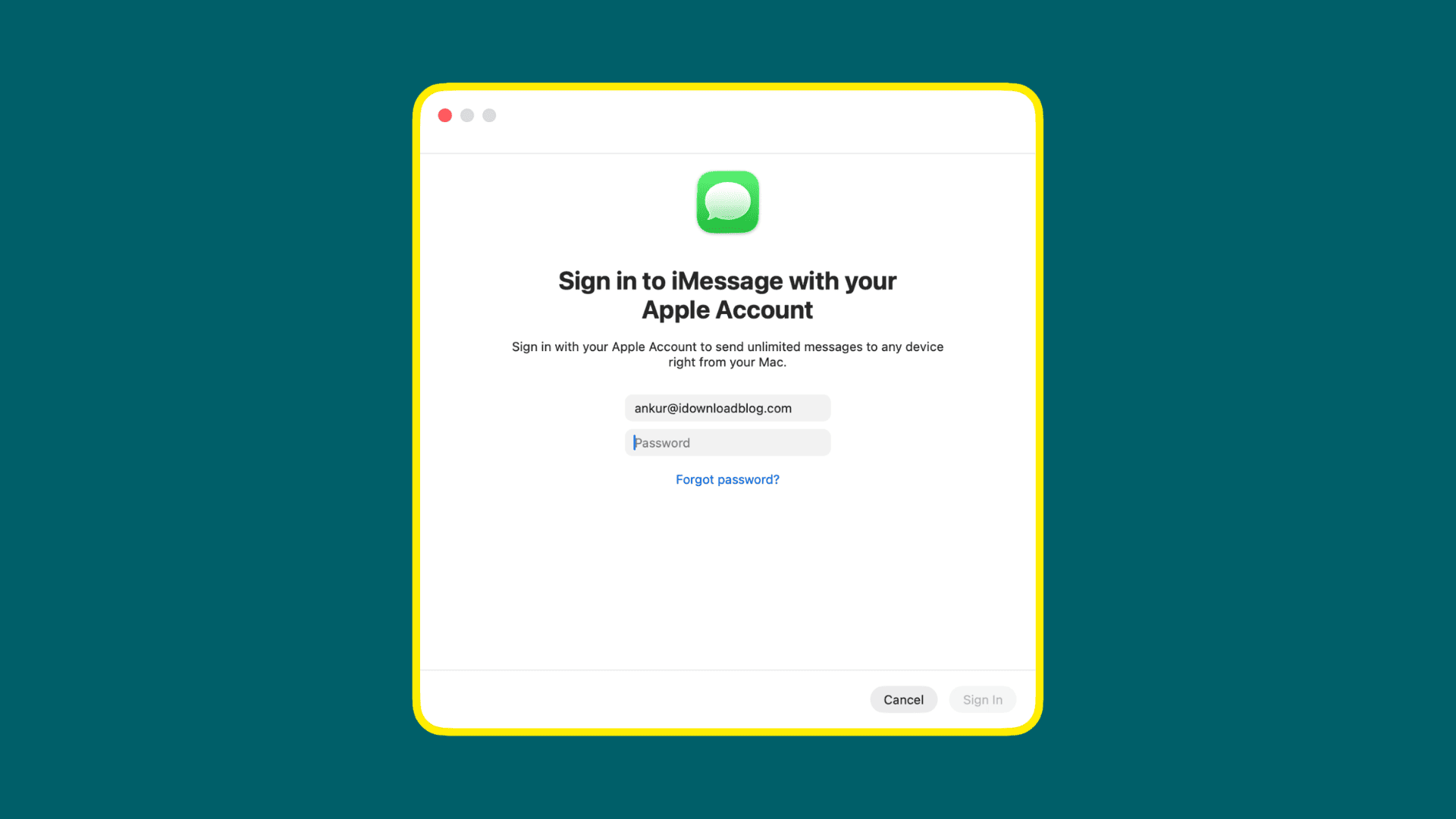
- Then, select Messages from the app list, tap Send & Receive, and check the new email address.
Mac
- Open the FaceTime app, then click FaceTime > Preferences in the top menu bar.
- Check the new email address in the section “Reachable at”.
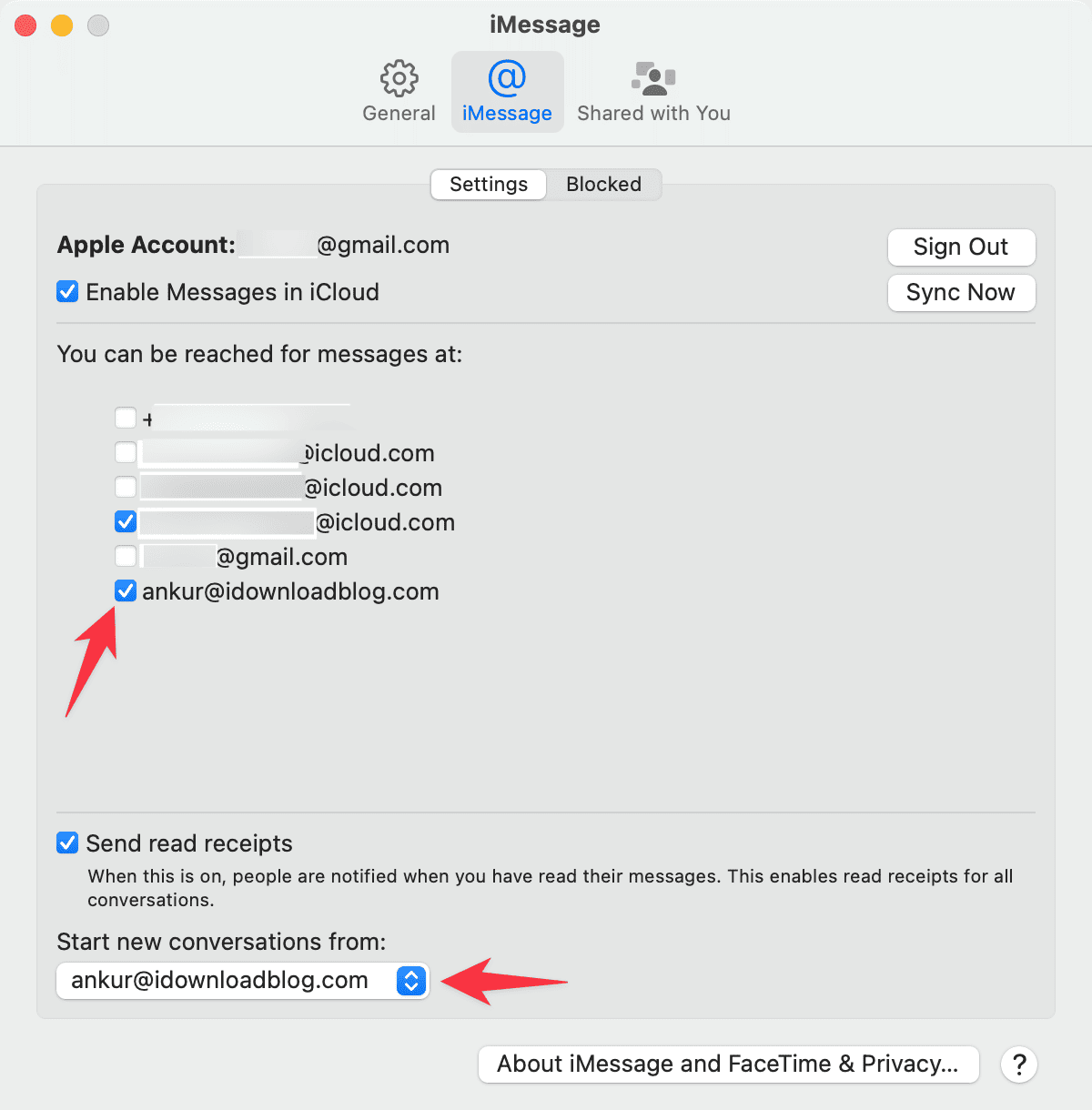
- Then, open Messages, click Messages > Preferences, go to the iMessage tab, and check the new email address in the section “Reachable at”.
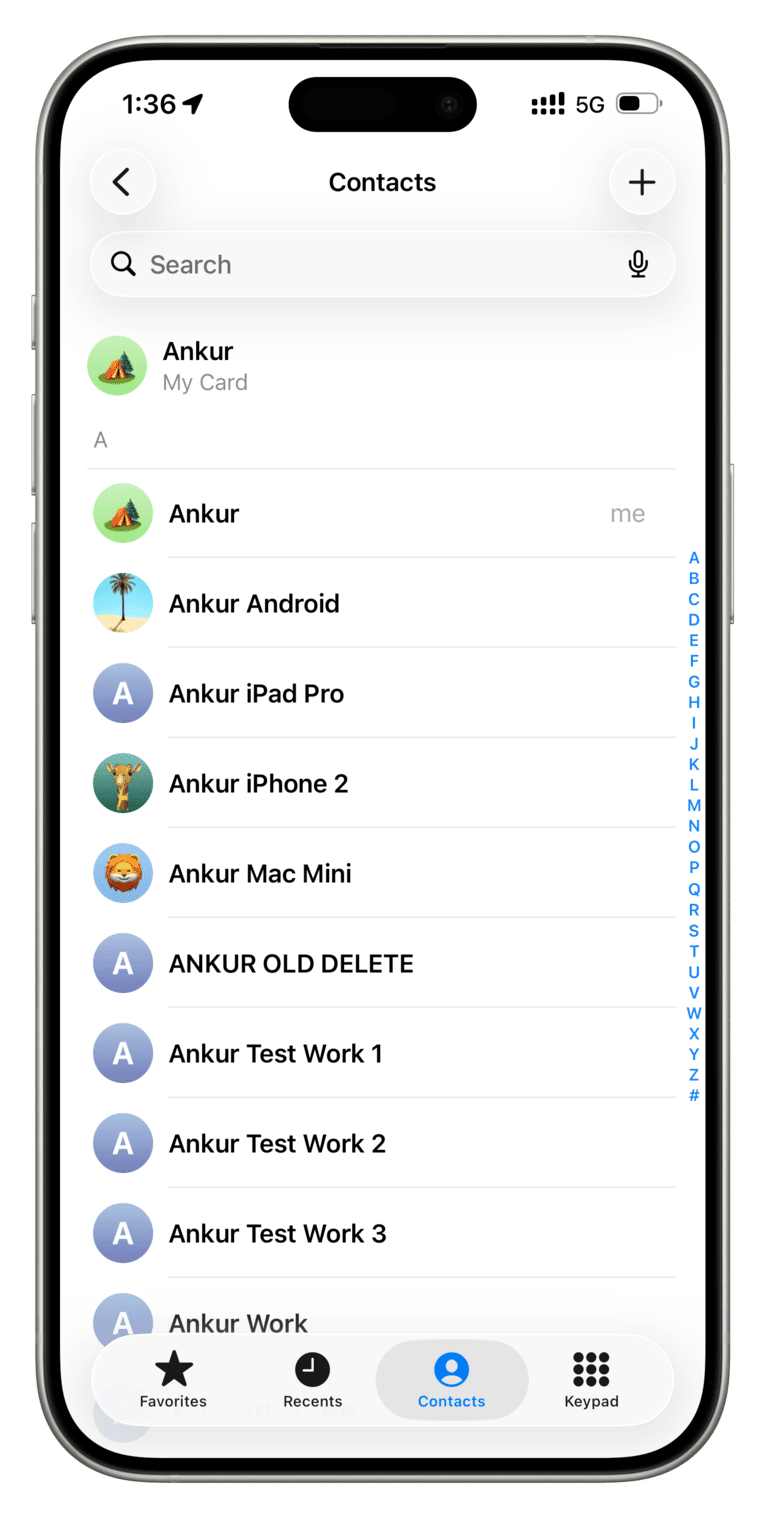
Step 4: Save the new email address or alias as a contact
Make sure to save this new email address or iCloud alias as a new contact (not an existing one). This allows you to search quickly and prevents confusion.
Step 5: Make a test call or send a message
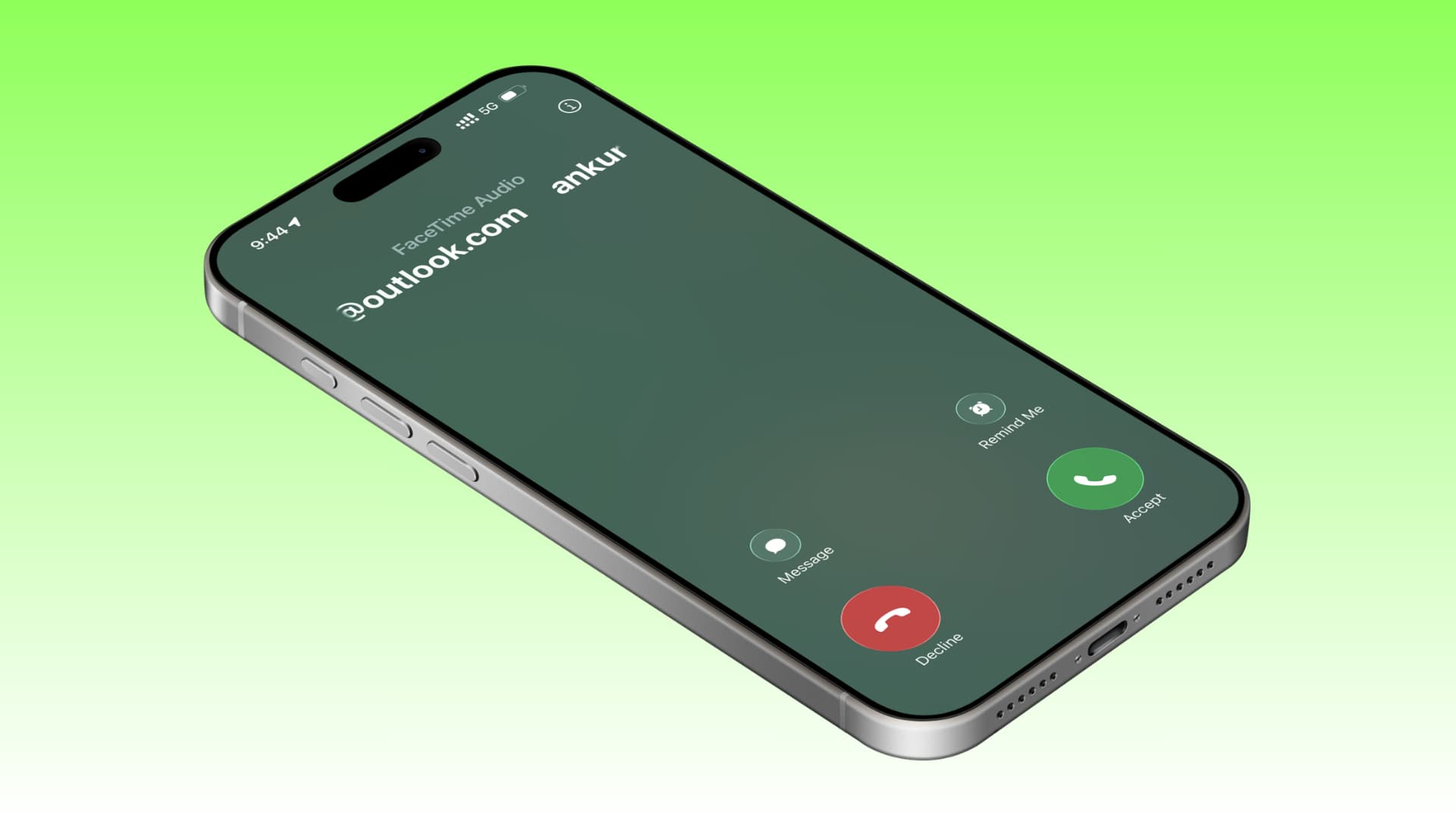
Once everything is set up, make a FaceTime call to this new email address from your other Apple devices or create a new message. Your call should go through.
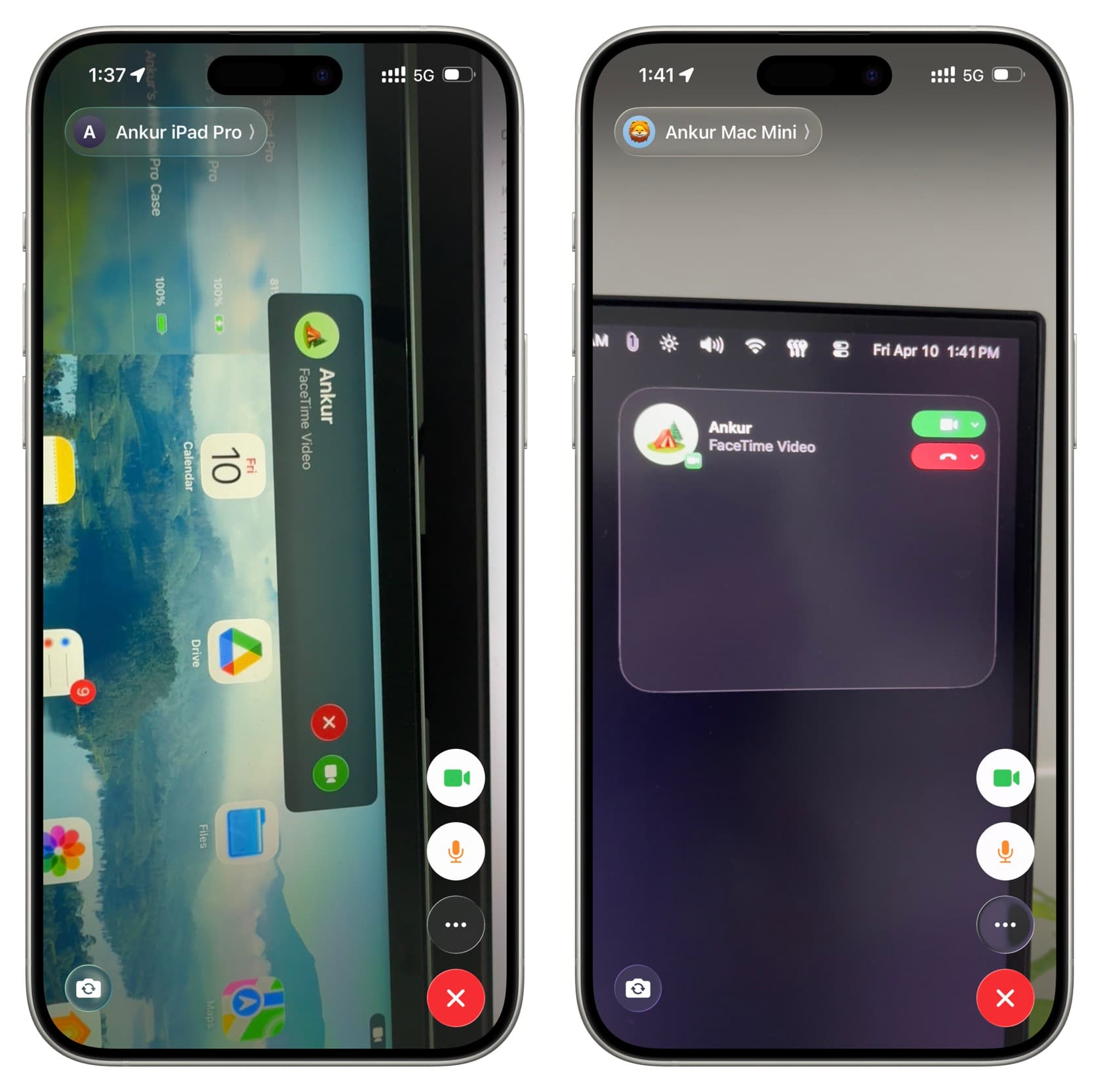
If it doesn’t go through, go to the FaceTime and Messages settings on the calling device and ensure the newly added email address is checked. Also, you can stop using your iPhone account on the receiving iPad or Mac for FaceTime calls to go through smoothly.







Comments
(3 Comments)